
Discover The Astrid, a study in contemporary design rooted in the Rockies, blending sleek architecture with nature for a stunning, functional living experience.
Picture Steamboat Springs. You’re likely imagining vast, snow-dusted valleys and the familiar comfort of heavy-timber lodges. For decades, architecture in this iconic town has followed a well-loved script: grand log beams, river rock fireplaces, and a cozy, rustic charm. It’s a look that says “mountain getaway” loud and clear, a style deeply embedded in the town’s identity.
But what happens when a building aims to join the mountain’s conversation instead of merely sitting on it? The Astrid is that reply. It poses a new question: can a structure be both breathtakingly modern and deeply connected to the wild landscape it inhabits? This marks a significant shift in the world of luxury real estate in Steamboat Springs.
This emerging philosophy is often called ‘mountain modern,’ and goes beyond clean lines and big windows. At its core, it prioritizes a deep respect for the land. Instead of imposing a structure, it asks how the home can flow with the terrain, capture the best light, and frame the most powerful views, much like a sophisticated modern cabin design.
Overall, the Astrid sets a new benchmark. It masterfully resolves the classic paradox of mountain living: how to create a home that feels both grand enough for the Rockies and intimate enough for real life. This is the story of how thoughtful design can deliver not just luxury, but a profound sense of place.
How Do You Build on a Mountain? Solving The Astrid’s Steep-Slope Challenge
How do you place a significant new building on a mountain without it feeling like an intrusion? The challenges are immense: a steep, wooded slope, heavy Colorado snows, and the risk of creating a structure that dominates the very beauty it’s meant to celebrate. It’s a question that requires more than engineering; it demands conversation with the land itself.
Instead of fighting the terrain with massive retaining walls, the team at Vertical Arts Architecture—one of the premier Colorado mountain architecture firms—chose a more graceful approach. They worked with the mountain, not against it. This philosophy, where the land dictates the design, is the secret to The Astrid’s harmonious presence. And it’s the very thing that transforms the problem into the project’s most defining feature.
The solution is a clever example of architectural design for sloped terrain. The building doesn’t just sit on the hill; it cascades down it. Picture a series of elegant, modern tiers stepping back from one another as they descend the mountain. This terraced form allows the structure to physically settle into the landscape, following natural contours rather than imposing artificial ones.
.jpg)
The Astrid’s terraced design cascades down the slope, a technique that minimizes the building’s visual impact and grants each residence its own connection to the landscape.
This cascading approach solves both an engineering puzzle and a visual one. A building this size could have easily felt like a single, overwhelming block. By breaking it into these smaller, interconnected volumes, the design creates the impression of a modern mountain village nestled into the trees. It feels approachable and human-scaled, a hallmark of Vertical Arts Architecture projects throughout the region.
Ultimately, this thoughtful design translates into a better resident experience. Because each level is set back from the one below, every home is guaranteed a private, south-facing terrace and an unobstructed panorama of the Yampa Valley. This ensures the best part of being on a mountain—the view—isn’t a luxury for a few, but a given for all.
Bringing the Mountain Inside: The Honest Materials That Define The Astrid
While the cascading shape helps The Astrid settle into the mountain, it’s the materials wrapping the exterior that tell a more intimate story. This isn’t the heavy, log-cabin look of a bygone era. Instead, the architects composed a palette both modern and deeply rooted in Colorado: rugged local stone, the natural warmth of oak and cedar, and the clean, dark lines of finished metal. This careful selection forms the building’s character, making it feel as if it grew from the very ground it stands on.
This approach is a core principle of biophilic design—the simple but powerful idea that connecting a building to nature makes it a healthier, more calming place to be. By using stone quarried from the region and wood that echoes the surrounding forests, the design blurs the line between built and natural worlds. It’s a sensory experience; you don’t just see the mountain from The Astrid, you feel its presence in the walls around you, grounding the structure with an undeniable sense of place.
The true genius of the design, however, lies in the interplay of these elements. This is a key difference between mountain modern and rustic cabin design. Where traditional cabins rely on a single, rustic texture, The Astrid creates a sophisticated dialogue between them. The rough, organic face of the stone counters the smooth, precise lines of black steel window frames. Warm wood siding softens the cool expanse of glass, creating a visual balance that is both striking and welcoming.
The result: a building that feels authentic and warm without sacrificing its contemporary edge. These honest, natural materials create a welcoming backdrop, a canvas of stone and wood that feels both luxurious and elemental. But this atmosphere isn’t just for show; it’s the foundation for a home designed to function beautifully. The real test is how this masterful design stands up to the joyful chaos of daily mountain life.
Designed for Real Life: How The Astrid’s Interiors Master the Chaos of a Mountain Vacation
Anyone who’s been on a family ski trip knows the scene: a mountain of wet jackets, stray gloves, and boots littering the entryway. At The Astrid, that chaos has been elegantly designed away, revealing how mountain modern interior design creates effortless function, not just aesthetics. By anticipating the needs of an active mountain lifestyle, the interiors transform potential stress points into moments of ease and luxury.
This thoughtful approach extends throughout the residence. Architects often talk about “zoning,” which is simply a smart way of creating dedicated areas for different activities. The floor plans at The Astrid masterfully separate the lively, social spaces—like the great room and kitchen where everyone gathers for après-ski—from the quiet, private retreats. This intelligent separation ensures a boisterous card game in one area won’t disturb someone reading by the fire in another, allowing family and guests to coexist in harmony.
Furthermore, the design acknowledges that mountain life thrives in every season. This is why the architects planned for year-round adventure with several incredibly flexible features:
- Heated, covered terraces with built-in fireplaces become all-season outdoor living rooms, equally suited for watching summer thunderstorms or winter snowflakes.
- The oversized gear room easily adapts, with ski racks that can be swapped for bike mounts and shelving ready for hiking boots and fly-fishing rods.
- Flexible guest suites can be configured for different group sizes, accommodating everything from a couple’s retreat to a multi-family reunion.
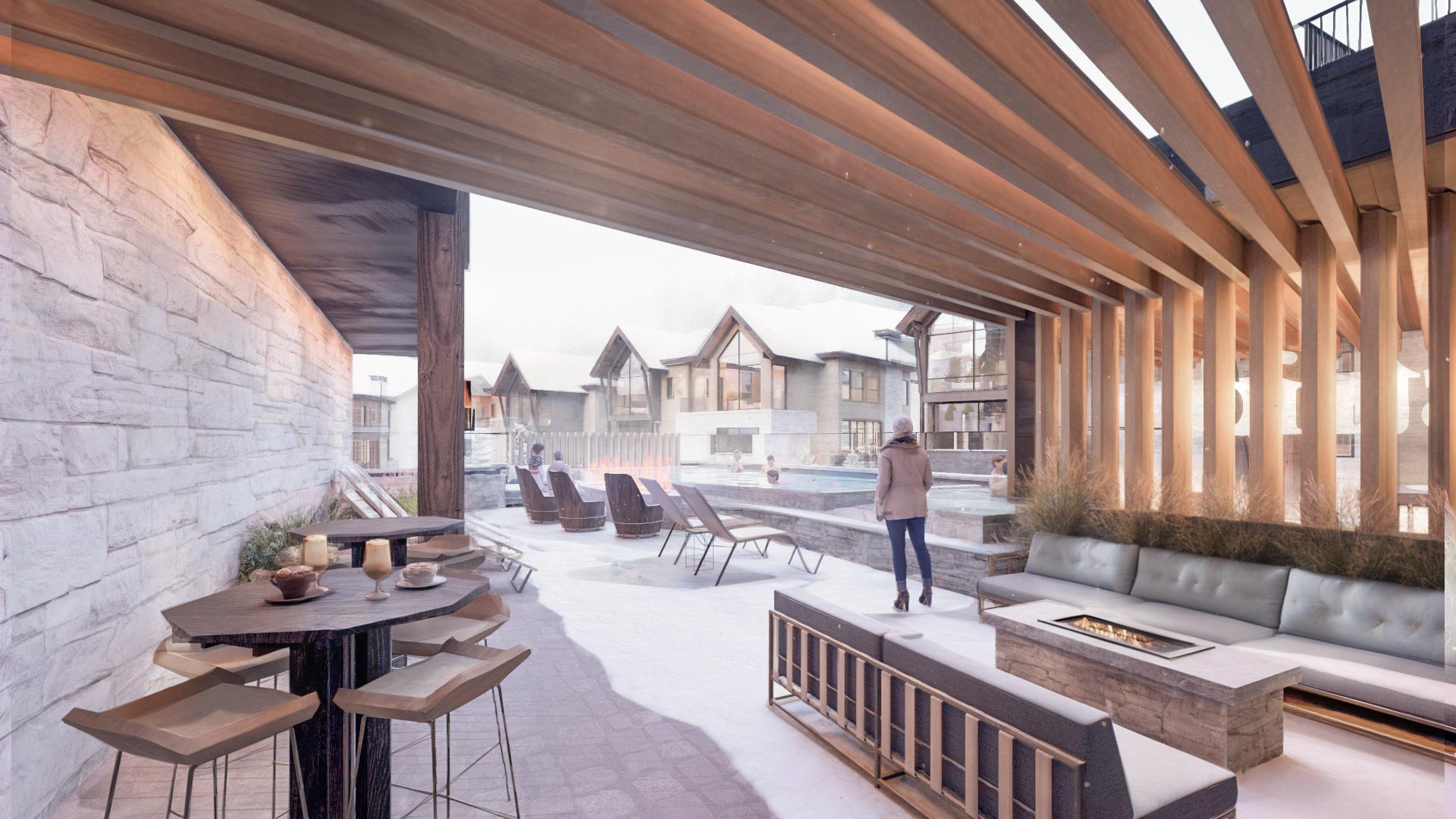
By solving these practical challenges so gracefully, the interior design achieves something profound: it gets out of the way. With clutter managed and comfort ensured, your attention is free to focus on the reason you came to the mountains. The home becomes a quiet frame for the breathtaking masterpiece just outside its windows.
Framing the Scenery: The Deliberate Strategy Behind The Astrid’s Awe-Inspiring Views
With the practicalities of mountain life so elegantly handled, The Astrid’s design can finally turn your attention to its true purpose: the awe-inspiring landscape. But these stunning vistas are no happy accident. Long before the first foundation was poured, the architects identified key view corridors—specific, protected sightlines to landmarks like the Flat Tops Wilderness or the path of the evening alpenglow. The entire building was then oriented to capture these moments, turning the simple act of looking out a window into a curated experience.
This orientation comes to life through deliberate fenestration, which is the art of placing windows to shape how you feel in a room. Instead of punching holes in a wall, the design uses glass to tell a story about the surrounding environment. A tall, narrow window might frame a single aspen tree, creating an intimate, portrait-like moment. Elsewhere, vast walls of glass embrace the panoramic sweep of the valley, emphasizing scale and grandeur. It’s a masterclass in maximizing views in home design.
By using floor-to-ceiling glass, the architects ‘dissolve’ the boundary between the living space and the Yampa Valley view, creating a fully immersive experience.
From the big-picture orientation of The Astrid’s floor plans down to the precise angle of a single window, every decision serves the view. The result is a home that doesn’t just look at the mountains; it actively participates with them. It’s a design that understands the ultimate luxury isn’t the building itself, but the connection it fosters with the world outside.
Your Invitation to Experience Mountain Modern Design
The Astrid is more than a stunning building; it’s a story told in stone, glass, and wood. It reveals how modern design responds to the land, honors its materials, and serves the people who call it home. Recognizing the ‘why’ behind the ‘what’ can transform how you experience any well-designed space.
To see these principles in action, we invite you to explore our design gallery or book a private tour of The Astrid. Discover for yourself how great architecture can forge a deeper connection to the mountains.-focused tour and see how thoughtful design transforms life at altitude.