
Imagine a ski destination so iconic that it can legally claim ownership of its snow. Nestled in the Rocky Mountains of Colorado, Steamboat Springs stands alone as the exclusive home of Champagne Powder®—a trademarked snow experience that has captivated skiers and snowboarders for over seven decades. This isn’t merely marketing hyperbole; it’s a scientifically documented phenomenon that transforms ordinary skiing into an extraordinary floating sensation.
The story of the Champagne Powder in Steamboat begins with a simple observation that would eventually revolutionize how we understand premium snow conditions. What started as a local rancher Joe McElroy’s casual comment about snow that “tickled his nose like champagne” has evolved into the most coveted powder skiing experience in North America.
What is Champagne Powder at Steamboat?
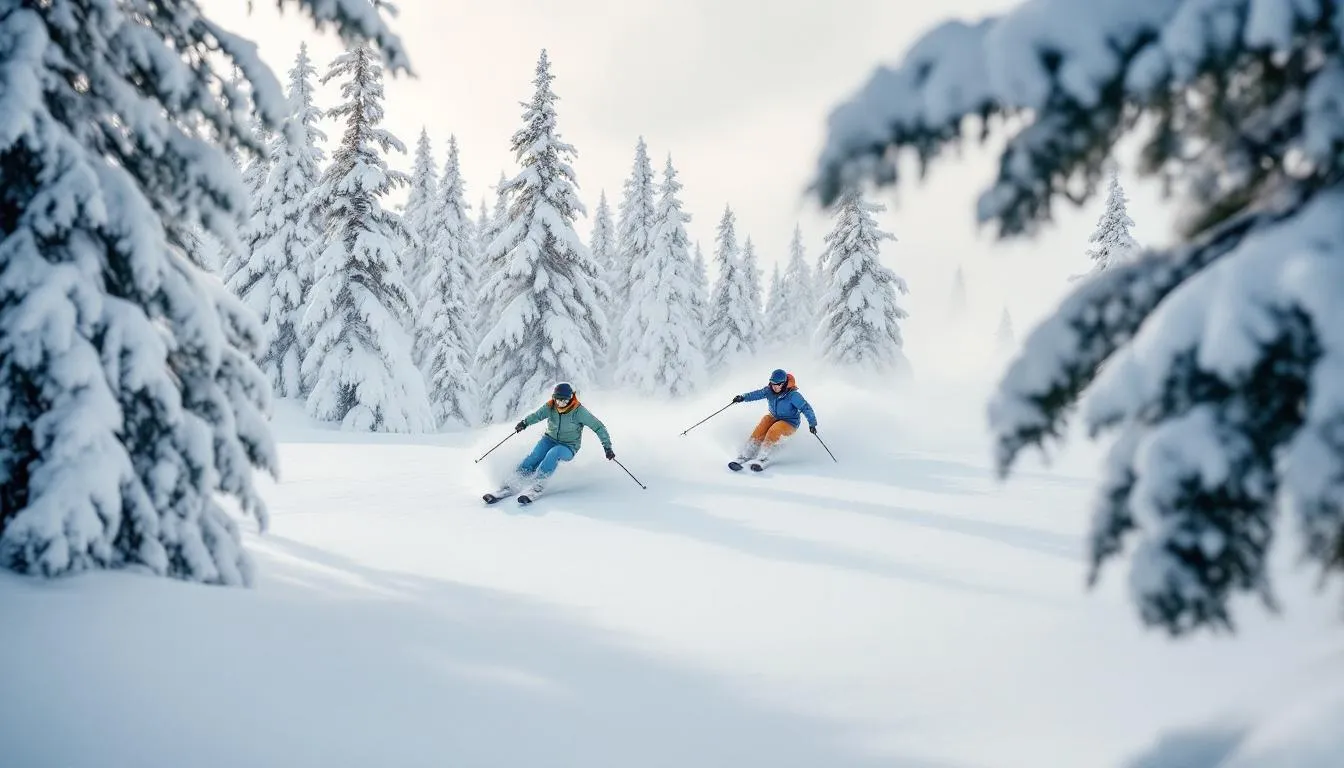
Champagne Powder represents the pinnacle of powder snow conditions—an ultra-light, impossibly dry snow exclusive to Steamboat Ski Resort in Colorado. Unlike the snow found at other ski resorts across the Rocky Mountains, this legendary powder maintains an average water content of just 6-7%, making it so light and fluffy that forming a snowball becomes virtually impossible.
What makes Champagne Powder especially addictive is its refreshing, almost ethereal quality that draws skiers and snowboarders seeking a truly unique and trendy winter experience.
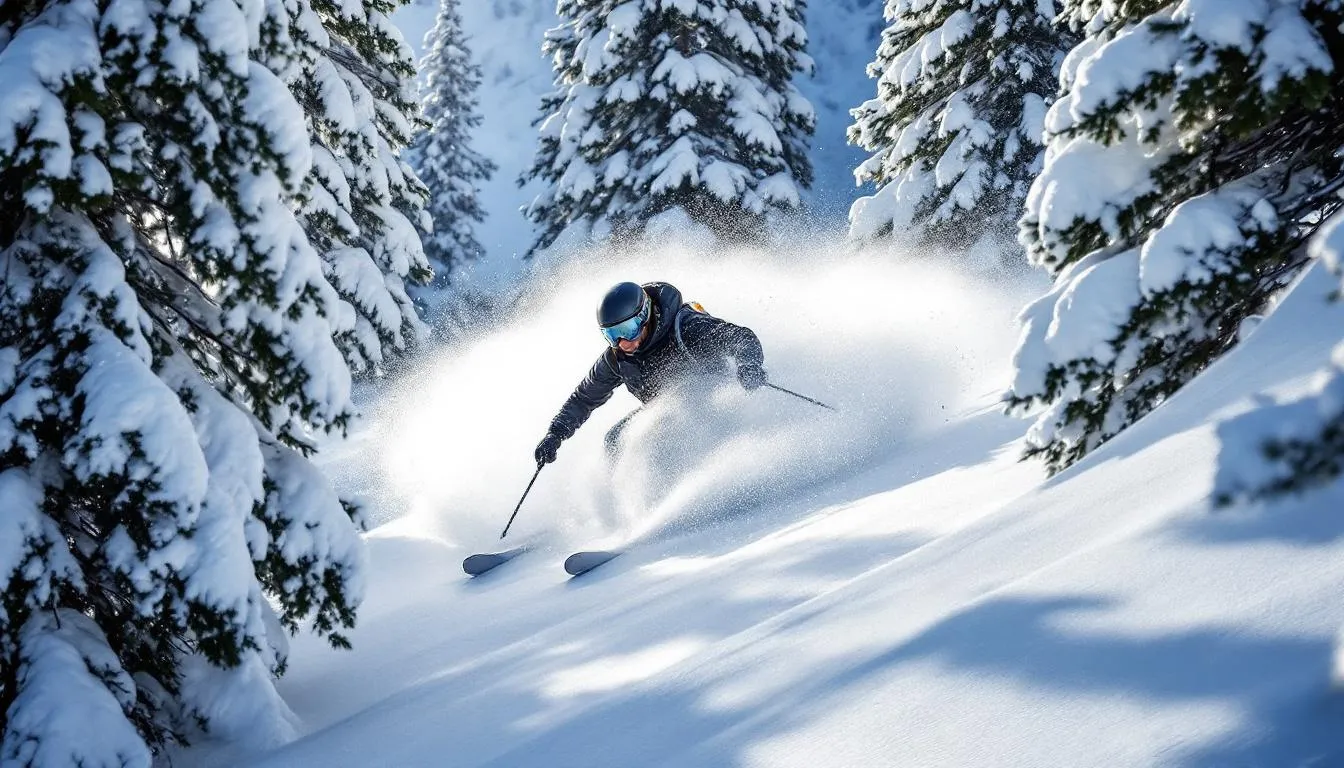
The sensation of skiing through champagne powder snow differs dramatically from typical powder experiences at other locations. Skiers describe a weightless feeling, as if floating effortlessly through clouds of crystalline air, with a sense of adventure and exhilaration that sets Steamboat apart. This buoyant quality allows riders to navigate terrain with unprecedented ease, whether carving through open slopes or weaving between trees in Steamboat’s renowned glades.
Steamboat Ski Resort Corp holds the distinction of being the only resort worldwide with snow trademarked specifically for recreational use. This legal protection, established in 2010, ensures that when you experience Champagne Powder, you’re encountering something genuinely unique—not just another marketing claim about “the best snow” that every ski area seems to make. Every winter, skiers and snowboarders eagerly hit the slopes to enjoy the fresh Champagne Powder that Steamboat is famous for.
Here’s the geeky part that makes ski nerds lose their minds. While typical snow at ski resorts contains enough moisture to pack and compact easily, Champagne Powder’s 6% density means that 25 centimeters of fresh snowfall melts down to merely 1.5 centimeters of water. Compare this to the 4 centimeters you’d get from the same amount of snow at most other resort locations, and the difference becomes starkly apparent.
The Origin Story: Joe McElroy and the 1950s Discovery
The phrase that would eventually become a global skiing phenomenon originated in the early 1950s with local rancher Joe McElroy, who was exploring the terrain that would later become Steamboat Ski Resort. While navigating the slopes of what is now Steamboat Resort, McElroy made an observation that would echo through skiing history: he said the snow tickled his nose like champagne.
This wasn’t simply a poetic description—McElroy had encountered something genuinely different about the snowfall patterns located in the Medicine Bow Routt National Forest area surrounding Steamboat Springs. The rancher Joe McElroy’s comment came decades before the actual ski resort opened, demonstrating that the unique snow conditions were recognized by locals long before they became a marketing phenomenon.
That same slope later became one of Steamboat’s secret powder stashes. Locals still talk about it. The area where he first noticed how the snow tickled his nose has since been developed into the ski area that attracts powder enthusiasts from around the world. His original observation about snow that “tickled his nose like champagne” captured the essence of what makes this snow so distinctive—its incredibly light, airy texture that seems to dance around you rather than simply accumulate.
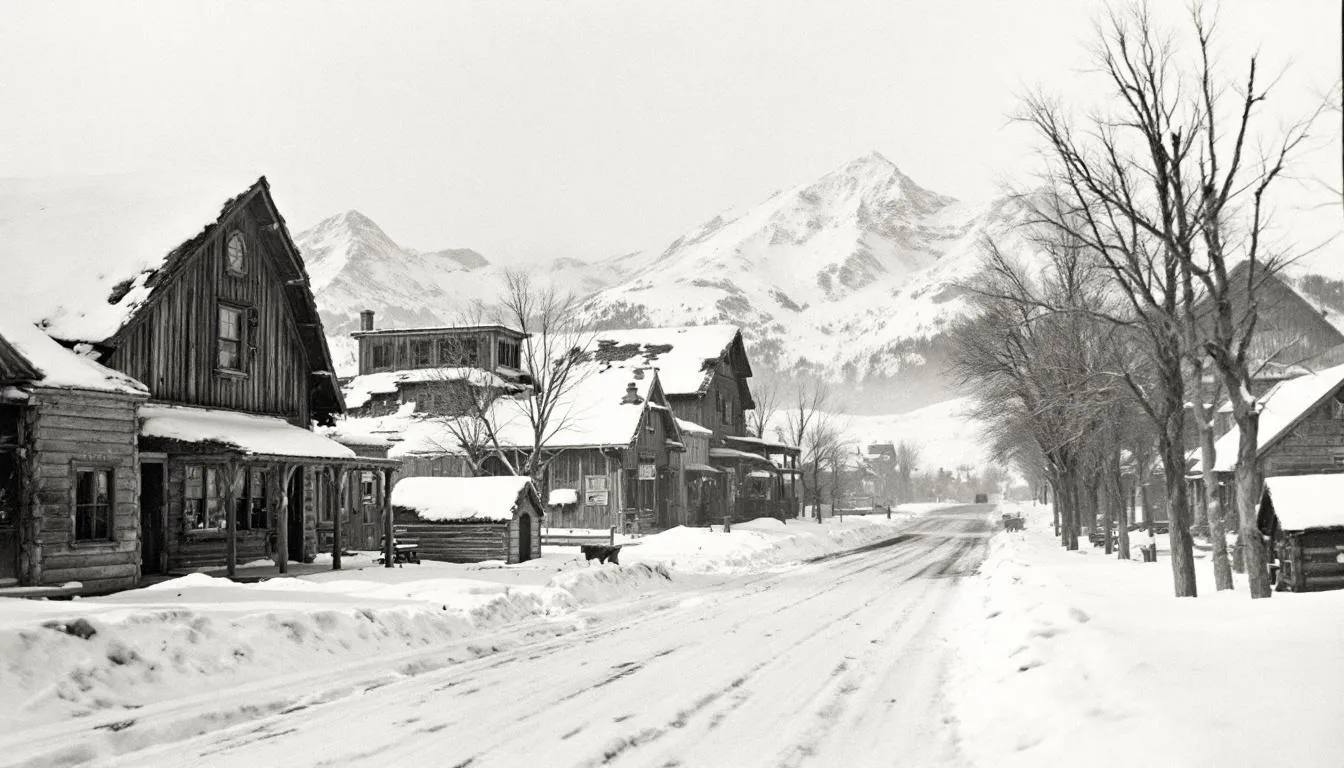
The cultural impact of this phrase grew gradually through the decades. Initially, it remained local knowledge among ranchers and early visitors to the region. However, as Steamboat developed into Ski Town USA, the phrase became central to the area’s identity and advertising efforts. What started as a local saying turned into Steamboat’s badge of honor.
The Science Behind Steamboat’s Unique Snow
Understanding champagne powder requires examining the precise meteorological conditions that create Steamboat’s legendary snow quality. The secret lies in the resort’s strategic location within the park range of northern Colorado, where specific atmospheric conditions align to produce powder snow with remarkably low water content.
Weather Patterns and Geographic Location
Steamboat’s position in the park range creates an ideal orographic barrier for Pacific storm systems traveling northeast from the ocean. These weather patterns begin their journey carrying moisture from the Pacific, but as clouds pass through the arid regions of the American Southwest, they lose significant moisture content. By the time these systems reach Colorado, they contain what meteorologists call “supercooled water”—moisture that remains liquid even at temperatures well below freezing.
When these dry storm clouds encounter the mountains surrounding Steamboat Springs, orographic lift forces them rapidly upward. This sudden elevation change causes dramatic cooling, often dropping air temperature to around -15°C at elevations between 2,000 and 5,000 feet above the surface. The combination of extremely cold temperatures and low moisture content creates perfect conditions for stellar dendrite formation.
The Storm Peak Laboratory, located at Steamboat Ski Resort, has documented how these unique atmospheric conditions consistently produce snowfall with water content averaging just 6% compared to the typical 15% found at other ski resorts in Colorado and Utah. This dramatic difference explains why skiers experience such a distinct floating sensation when skiing champagne powder versus snow found at other resort locations.
Snowflake Formation Process
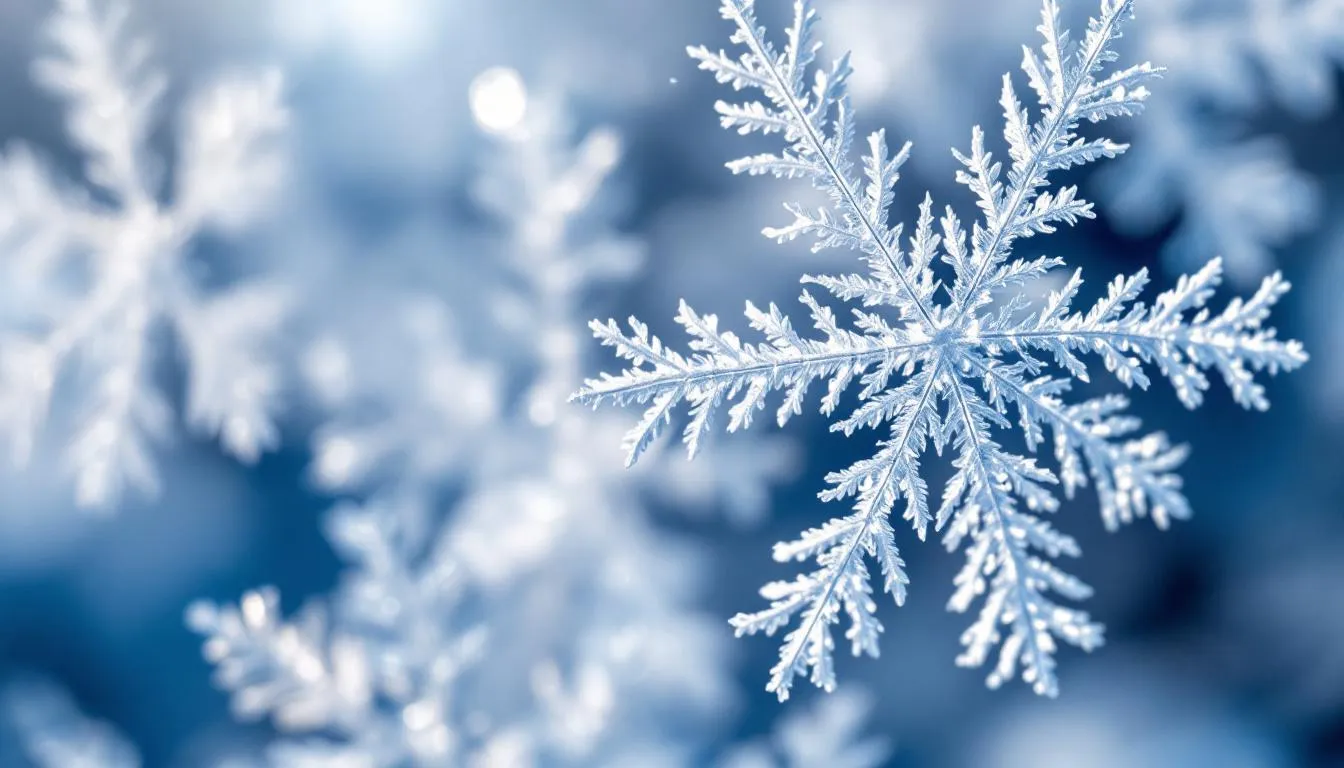
The formation of stellar dendrite snowflakes represents the technical foundation of champagne powder’s unique characteristics. Unlike the more compact snowflakes formed under warmer, moister conditions, stellar dendrites develop intricate branching patterns that maximize surface area while minimizing density.
At the precise temperature and moisture levels found during steamboat snow events, atmospheric water vapor attaches to dust particles suspended in the air. These dust particles serve as nucleation sites where supercooled water crystallizes into complex, lace-like structures. The stellar dendrite form maximizes the air-to-ice ratio, creating snowflakes that are essentially frozen architecture designed for maximum lightness.
Research conducted by scientists at the university partnerships with steamboat has shown that the specific combination of cold temperature, low atmospheric moisture, and the quality of dust particles in the region creates ideal conditions for these elaborate ice crystal formations. The result is snow that maintains its fluffy, airy structure even after accumulating to significant depth.
The durability of this snow structure sets champagne powder apart from typical powder snow found elsewhere. While most powder compacts and loses its lightness relatively quickly, the stellar dendrite formation of Steamboat’s snow maintains its airy characteristics for extended periods, allowing for consistently excellent skiing conditions throughout the season.
Steamboat Snow Statistics and Records
The quantitative data supporting Steamboat’s reputation for exceptional snow conditions reveal consistent patterns that justify the champagne powder phenomenon. Based on meteorological data collected over multiple decades, Steamboat Ski Resort averages 319 inches of annual snowfall, with much of this qualifying as true champagne powder due to the favorable atmospheric conditions.
The record season occurred during winter 2007/08, when Steamboat received an unprecedented 489 inches of snowfall. Locals still talk about that year like a legend. It snowed so often, some said they forgot what their driveways looked like. ”This season became legendary among powder enthusiasts, with storm after storm delivering the light, dry snow that defines the champagne powder experience. The consistency of powder quality during this record year demonstrated how Steamboat’s geographic location and elevation create reliable conditions for stellar dendrite formation.
Monthly snowfall records further illustrate the resort’s snow reliability. The single-month record of 216 inches fell during January 1995/96, a month that saw virtually continuous powder conditions. These statistics represent more than just quantity—the majority of this snowfall maintained the low water content characteristics that define champagne powder.
The water content ratio data provides the most compelling evidence of Steamboat’s unique snow quality. While 25 centimeters of typical snow at other locations yields approximately 4 centimeters of water when melted, the same amount of champagne powder snow produces only 1.5 centimeters. This dramatic difference translates directly into the floating sensation that skiers experience when navigating through fresh powder at steamboat.
Loading patterns throughout the season show that the best champagne powder conditions typically occur from December through march, with January and February providing the most consistent stellar dendrite formation. However, the park range location means that quality powder can arrive as early as November and continue through April in exceptional years.
How to Ski Champagne Powder at Steamboat
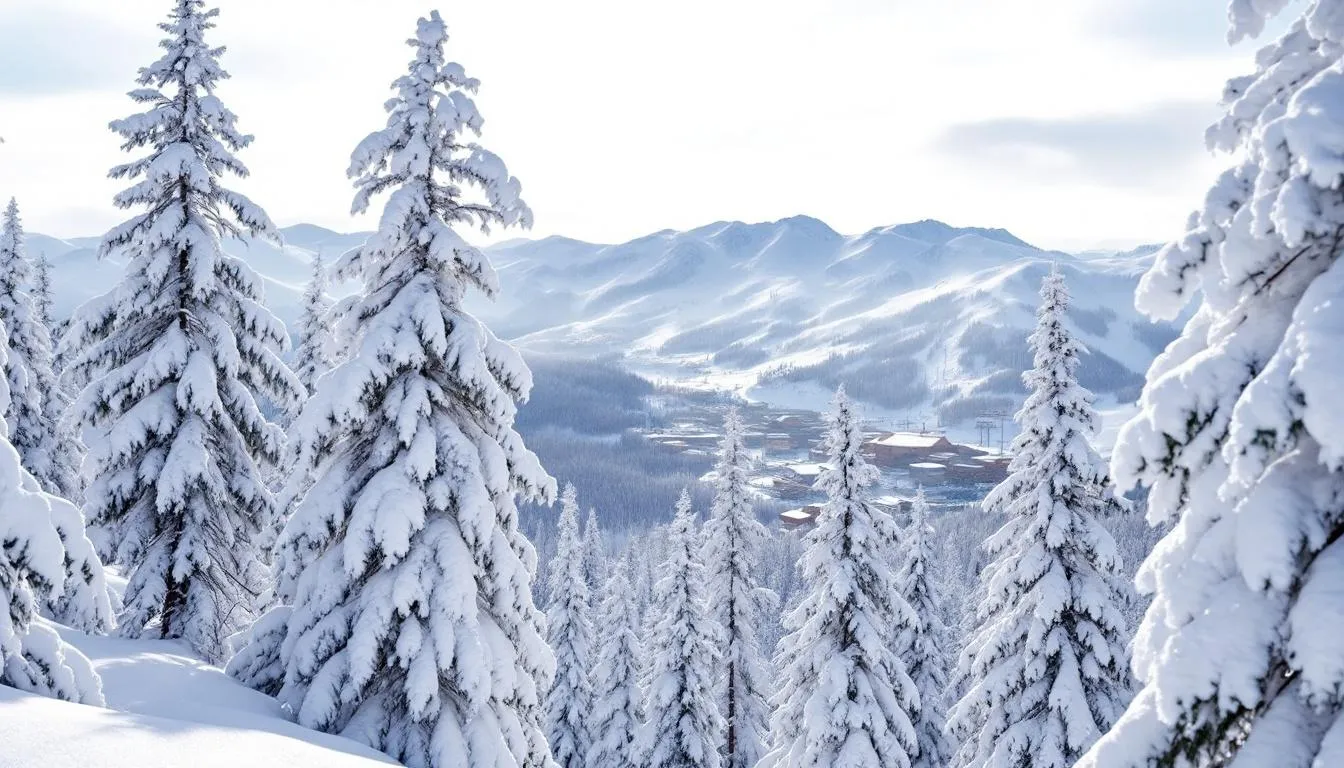
Skiing champagne powder requires adapting traditional powder techniques to accommodate the ultra-light characteristics that make Steamboat’s snow unique. The exceptional lightness of stellar dendrite snow creates different resistance patterns compared to typical powder snow found at other ski resorts, demanding specific adjustments in technique and approach.
Before heading out to ski, visitors can check the resort’s snow cam for live updates on current Champagne Powder conditions.
Technique and Equipment Tips
If you’ve never skied Champagne Powder, here’s the first thing to know—it doesn’t ski like any snow you’ve tried before. This means that traditional powder skiing techniques, such as aggressive edge engagement and strong pole plants, must be modified to work with the snow’s airy characteristics rather than against them.
Keep your pole plants light; it’s all about rhythm, not muscle. The poles should pierce the snow surface lightly, providing timing cues for turn initiation without creating the deep, anchoring plants used in heavier snow conditions. This lighter touch allows skiers to maintain the floating sensation that defines the champagne powder experience.
Turn initiation requires a more subtle approach than skiing typical powder snow. Rather than driving aggressively into each turn, successful champagne powder skiing involves gentle weight shifts that allow the snow’s natural buoyancy to assist in direction changes. This technique creates the effortless feeling that experienced powder skiers describe as “floating” down the mountain.
Equipment considerations for champagne powder differ slightly from standard powder skiing setups. While wider skis remain beneficial for flotation, the ultra-light snow means that moderately wide skis (100-115mm underfoot) often perform better than the very wide skis used in heavier powder conditions. The reduced resistance of champagne powder snow allows for easier ski manipulation with less width.
Binding adjustments should account for the reduced resistance encountered in champagne powder. Some experienced skiers prefer slightly looser release settings when skiing Steamboat’s conditions, as the light snow creates less resistance that might prevent natural release during falls.
Best Practices for Powder Days
Timing strategies for accessing fresh champagne powder require understanding Steamboat’s snowfall patterns and terrain characteristics. The resort’s elevation and exposure create microclimates where powder quality can vary significantly across different areas of the mountain. Generally, north-facing terrain holds champagne powder longer, while wind-protected tree runs provide the most consistent conditions.
Don’t rush straight into the deep stuff. Warm up on a groomer, get your legs under you, then chase the trees. Starting on gentler, open slopes helps develop the feel for how stellar dendrite snow responds to different skiing techniques before tackling steeper or more technical terrain.
Safety considerations in champagne powder include understanding visibility challenges and avalanche awareness. The ultra-light snow can create “blower” conditions where snow becomes airborne, reducing visibility even in stable weather. Additionally, while champagne powder’s light weight reduces some avalanche risks, the dry snow can create unstable layering under certain conditions, particularly early in the season.
Terrain selection for optimal champagne powder experiences should prioritize wind-protected areas where the light snow accumulates and remains undisturbed. Steamboat’s extensive tree skiing terrain provides ideal conditions for experiencing champagne powder, as the forest canopy protects the snow from wind transport whilst creating the intimate, floating sensation that defines the experience.
FAQ
No, other ski resorts cannot legally use “Champagne Powder®” in their marketing materials. Steamboat Ski & Resort Corporation holds an exclusive trademark on this phrase for recreational and entertainment facilities, registered in 2010. While other resorts can describe their snow as “light,” “dry,” or “fluffy,” they cannot use the specific trademarked term “Champagne Powder” without risking legal action.
True Champagne Powder requires a precise combination of atmospheric conditions: Pacific storm systems that have lost moisture crossing arid regions, supercooled water in the clouds, temperatures around -15°C at elevation, and orographic lift from the Park Range mountains. These conditions must align to create the stellar dendrite snowflakes with 6% water content that define Champagne Powder, distinguishing it from regular powder snow.
Steamboat’s Champagne Powder is significantly drier than powder found in Japan or Utah’s Wasatch Range. While Japanese powder is renowned for its consistency and Utah markets “The Greatest Snow on Earth®,” Steamboat’s snow averages 6% water content compared to higher percentages elsewhere. This makes Steamboat’s powder lighter and more buoyant, creating a more pronounced floating sensation, though each destination offers distinct powder characteristics valued by different types of skiers.
The optimal Champagne Powder season runs from December through March, with January and February providing the most consistent stellar dendrite formation. However, the Park Range location can produce quality conditions from November through April in exceptional years. Early season (December-January) often provides the driest powder, while late season (March-April) can offer deeper accumulations with maintained quality.
While Steamboat Resort doesn’t officially designate specific “powder lifts,” experienced skiers know that north-facing terrain and wind-protected tree runs typically hold the best champagne powder. The extensive glade skiing areas provide ideal conditions for experiencing the floating sensation that defines Champagne Powder, as the forest canopy protects the stellar dendrite snow from wind transport while creating intimate skiing environments that showcase the snow’s unique characteristics.